

Shopping for a Strawberry Stress Ball with Small Hands
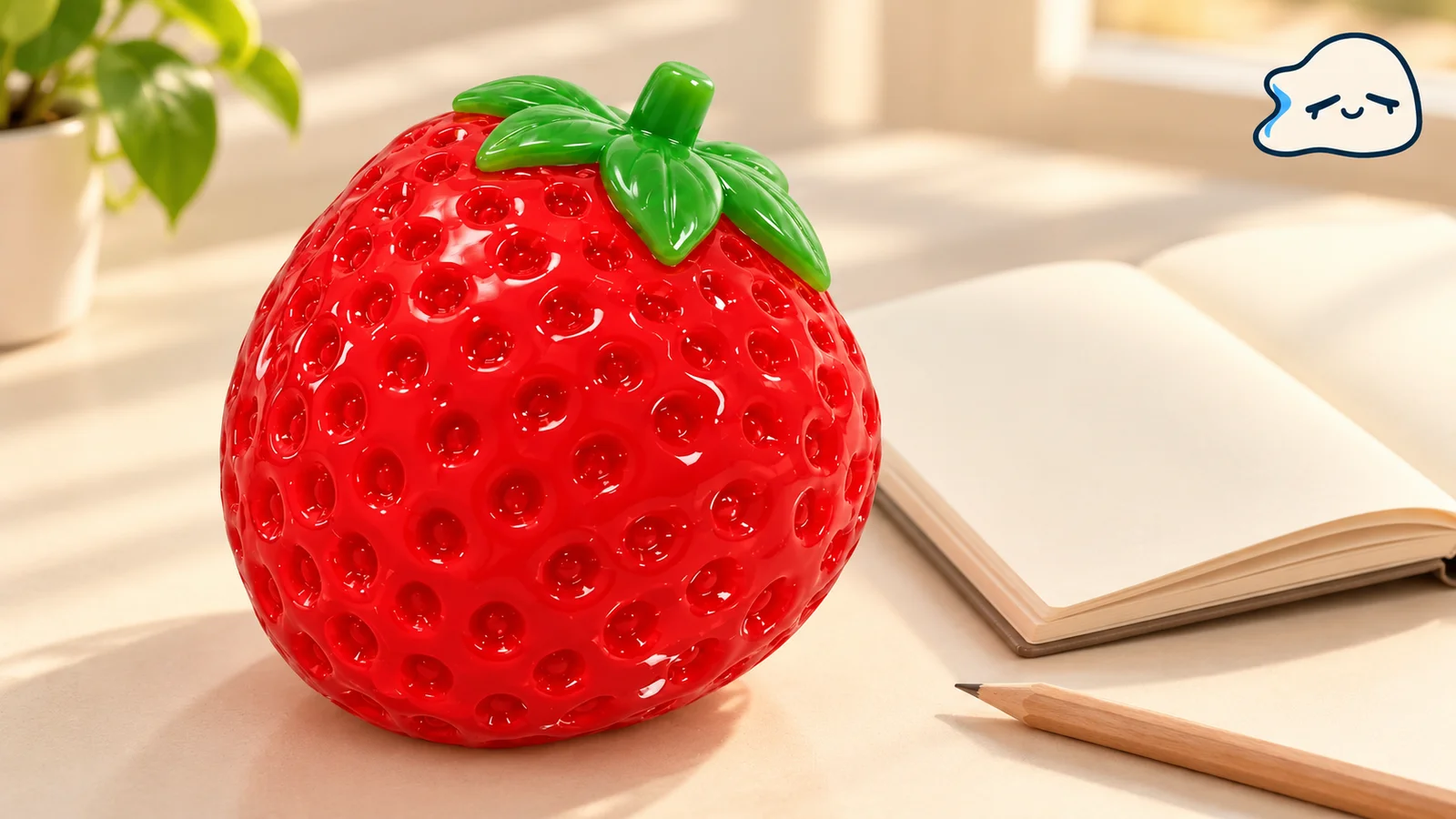
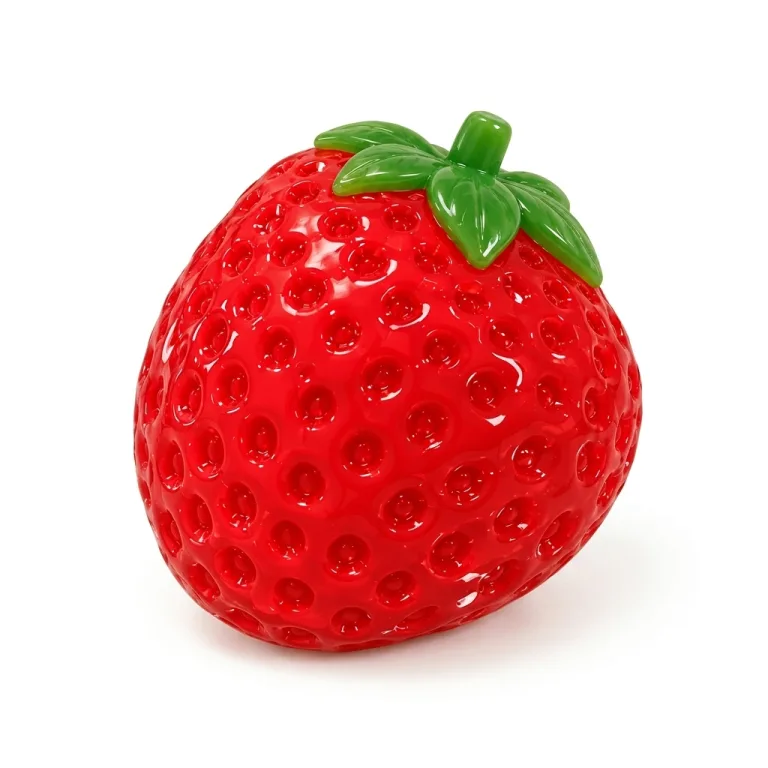
AI-generated illustration based on the product photo. It does not show measured dimensions or a hand-fit test.
If you want a strawberry stress ball for small hands, start with something you already hold comfortably. Note its dimensions, then ask the seller for comparable measurements of the toy you want. Keep a separate note about the squeeze feel you prefer. That gives you specific questions to resolve before you order.
A description such as “palm-sized” leaves an obvious question: whose palm? Treat it as a cue to ask for measurements. The process below helps you compare a candidate with your own reference; it cannot confirm how an untried toy will feel in your hand.
Begin with what you can already hold comfortably
Choose a familiar object that suits the way you intend to hold the toy. If you want to use one hand, use an object you already find comfortable in that hand as your reference. If you prefer using both hands, write that down too. You do not need to force your fingers around anything to make the comparison.
Set the reference down and record its width, front-to-back depth, and height without compressing it. Use one unit throughout your notes. Mark which direction each measurement describes so you can compare the same axes when the seller replies.
Beside those measurements, note what you like about holding it. Perhaps you prefer your fingers to wrap around the body, or you leave part of it outside your palm. Keep that description personal. You are recording a preference, not setting a size limit for everyone with small hands.
Ask for the strawberry’s dimensions, with the leaf clarified
Request measurements of the exact product you are considering. A useful seller message is: “Could you give me the uncompressed body width and front-to-back depth, plus the overall height including the leaf? Please also tell me the body height without the leaf.”
The distinction gives you a way to separate the part you expect to hold from the overall outline. If a listing supplies a single size, ask which direction it measures. Keep an unanswered field blank until you have a clear reply.
Compare width with width and depth with depth using the same unit. Do not substitute a photograph’s apparent size for a missing measurement. Camera framing and nearby props are not a measurement of the toy in your hand.
If the seller can only provide overall height, you still have a question to resolve about body width or depth. Decide whether that uncertainty matters enough to postpone the purchase.
Keep squeeze preference beside the size comparison
Write down the feel you want in your own words. You might be looking for an easy press or a firmer squeeze, for example. Ask what the seller can confirm about this particular product, and distinguish the answer from your own wish list.
A size comparison does not establish squeeze resistance or rebound behavior. Even if a candidate’s measurements resemble your reference, keep its feel marked as unconfirmed until you have relevant information. Avoid turning a similar outline into a promise of the same experience.
You can send the size and feel questions together. Ask the seller to identify any part they cannot confirm, rather than treating a general description such as “soft” as an answer to every question. If a particular feel is essential to you and the reply remains vague, leave that candidate pending.
Consider each design without assigning it a grip score
Use the product descriptions to decide which appearance you want to investigate. For the Strawberry Squishy, Squishyuy’s description says: “Strawberry Squishy is a bright red strawberry squishy shaped like a plump berry with recessed dimpled seeds and a molded green leafy crown on top.”
If you are open to a different fruit design, the Pastel Pink Peach Squishy has its own description: “Pastel Pink Peach Squishy is a plump rounded peach squishy with a soft blush-pink to creamy-white gradient, a natural vertical crease, and a small green leaf.”
For a different motif, the Clear Pink Taba Cat Paw Squishy is described this way: “Clear Pink Taba Cat Paw Squishy is a crystal-clear translucent gel taba squishy shaped like a cat paw, featuring four raised pastel-pink toe beans and a heart-shaped central palm pad.”
Those descriptions identify the designs. They do not rank the toys for small hands. Apply the same measurement questions to any alternative you genuinely like; changing from a berry to a peach or paw does not settle the fit question.
Decide what remains unknown before ordering
Read your notes once before choosing. You should be able to distinguish your reference measurements from the candidate’s confirmed dimensions, and your preferred feel from anything the seller has actually confirmed.
Where an answer is missing, write the question you still need resolved. “Body depth not supplied” gives you a specific follow-up. “Probably small enough” leaves the decision resting on an assumption.
If the unresolved detail would change whether you want the toy, ask before ordering. You can also leave it off your shortlist. Once you have the information you need, choose according to your own comparison and preferences, while allowing for the uncertainty of buying a toy you have not held.