

How to Search for a Strawberry Squishy Replacement
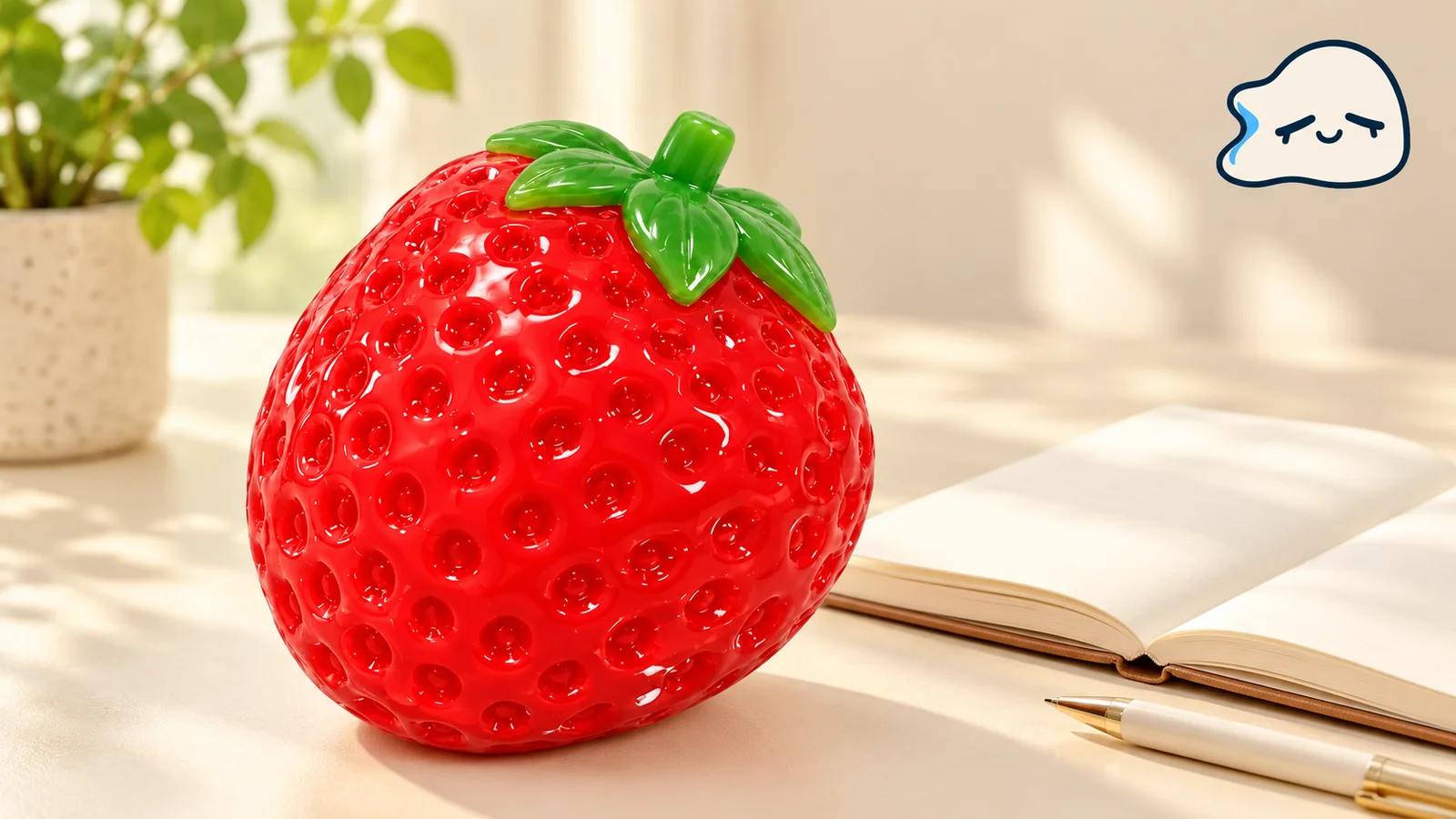
AI-generated illustration based on Squishyuy’s product photo. It does not identify an unknown toy or document a product test.
Start a strawberry squishy replacement search with the original purchase. Look for the retailer, the original listing, and any brand or model information you still have. Use those details to ask about a candidate before treating it as the same item.
If you are replacing a favorite you already own, write down whether you need that exact toy or would consider a different one. Keep that choice visible while you search. An appealing new design can be worth considering without resolving the identity of the old one.
Start with where your strawberry came from
Check the records you can still access: an order confirmation, a saved product link, or your purchase history with the original retailer. Search using the retailer’s name and the approximate purchase date if you remember them. If the toy was a gift, ask the giver whether they have the original order information.
Copy the exact product title and listing URL into a note. If a listing has disappeared, keep the URL alongside the order details you recovered. You can include them when contacting the original seller; you do not need to reconstruct a missing page from memory.
When you cannot recover the purchase, write down that the retailer is unknown. Start with any label or packaging you still have, and keep remembered details separate from text you can actually read. A remembered shop name is a search lead, not a confirmed purchase record.
Build one identity record before browsing
Keep the information about your old toy in one place so you can compare each candidate against the same starting point. Record:
- The original retailer and purchase date, if you can confirm them.
- The exact listing title and URL, including a link from an old order.
- Any brand name, model name, or item code printed on the toy or packaging.
- Where each detail came from, such as the receipt or a packaging photo.
Copy codes exactly and label their source. Do not treat an order number or a retailer’s listing code as a manufacturer model number unless the seller confirms that relationship. If you only have a shop’s code, ask that shop to identify the item from its own record.
Use a confirmed brand or model name in your next search, alongside “strawberry squishy.” If those fields are still blank, keep searching with the details you do have. Avoid filling the gaps with a brand name from a similar-looking result.
Keep a candidate log that records what is confirmed
For every plausible result, save its URL beside the original identity record. Add the candidate’s stated brand or model, the reason you are considering it, and the question you still need answered. Leave room for the seller’s reply.
For example, suppose you recover the original retailer’s listing but find a possible replacement at another store. Ask the new seller whether its item is the same brand and model as the original listing. Include the original link and any readable identifier. Ask which details they can confirm if they cannot verify the match.
Keep “looks similar” and “seller confirmed the model” as separate notes. A reply that only repeats the candidate’s title leaves the identity question open. Save the reply itself so you can see precisely what the seller answered.
If you need to compare the visible design, use the strawberry squishy photo checks. Once you have those observations, add them to the candidate’s note without turning a visual resemblance into a confirmed identity.
Decide whether you still need the same toy
Before following another product link, return to your original choice. If you need the same brand and model, keep asking for that confirmation. If you are willing to choose a new design, browse it as a separate purchase.
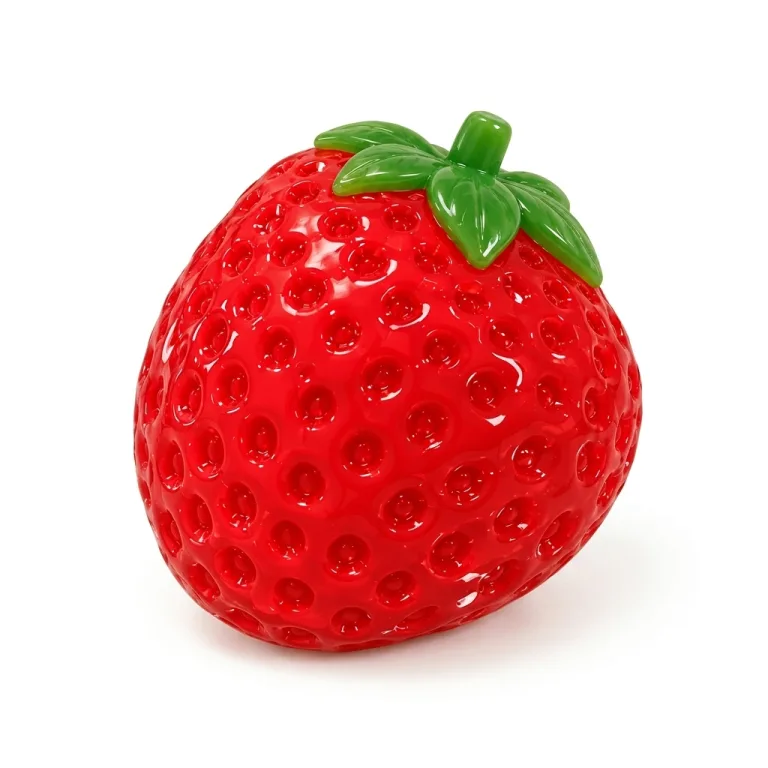
For a berry-shaped option, Squishyuy’s Strawberry Squishy listing gives this description: “Strawberry Squishy is a bright red strawberry squishy shaped like a plump berry with recessed dimpled seeds and a molded green leafy crown on top.” That description lets you consider the listed design. It does not establish a match to your old toy.
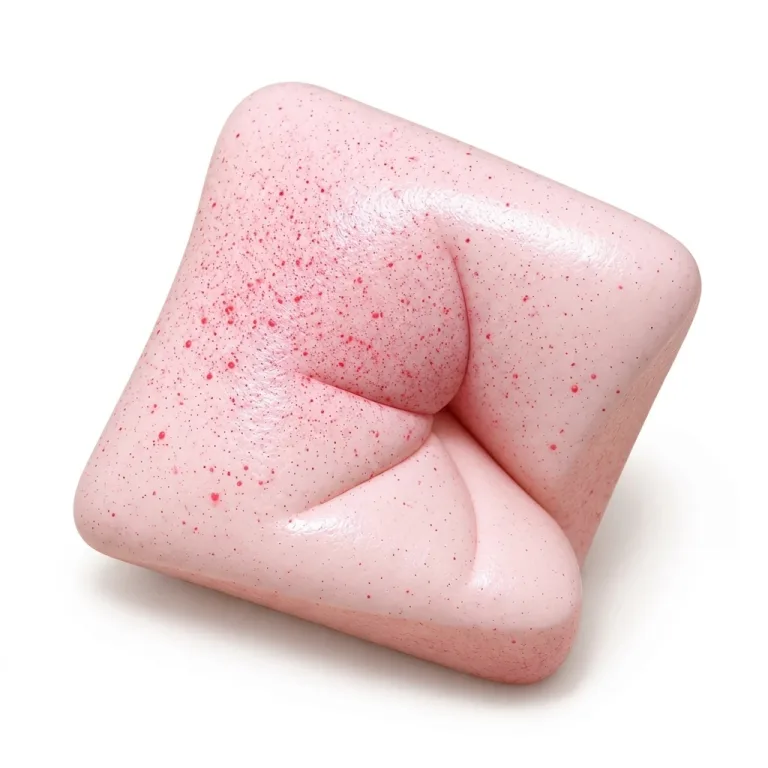
If you would prefer a different shape, the Strawberry Toast Squishy listing says: “Strawberry Toast Squishy is a strawberry-pink toast squishy slice with delicate red speckles, softly rounded edges, and a creamy crust outline.”
For a cake design, the Rainbow Cake Squishy listing says: “Rainbow Cake Squishy is a multicolor cake squishy cube stacked with pastel rainbow layers and decorated with tiny star-shaped sprinkles along the top.”
Consider those alternatives only if you want their stated designs. None of these descriptions confirms that the products share your original toy’s material, scent, or feel.
Leave an unknown match unresolved
If a candidate’s identity remains unclear, keep it marked as unconfirmed. You can continue looking, ask the original retailer for help with a recovered order, or decide to buy a different toy on its own terms.
Before buying, read the candidate’s note once more. If your goal is an exact replacement and the seller has not confirmed the identity, send the outstanding question with the original listing link or identifier. Keep the answer attached to that candidate before deciding.